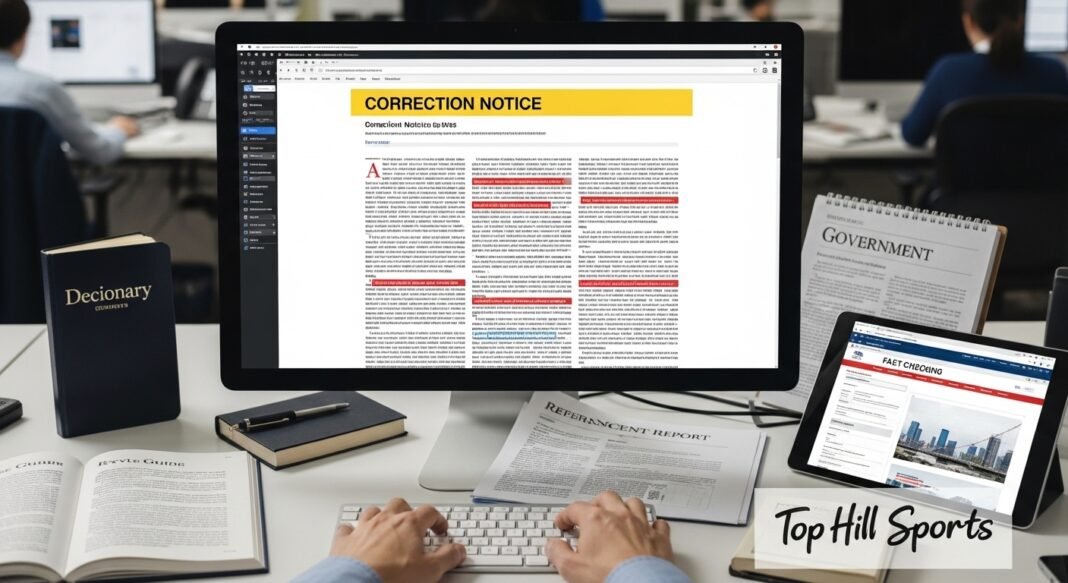
When the publication got a detail wrong in early coverage, the correction appeared in the original article. No quiet edit. No deletion. A clear note explained what changed and when.
This happened in December 2025 during aviation incident reporting. A flight number got transposed. An editor caught it during review of related coverage. The article got updated with a correction note at the top.
Readers checking the story later saw both the accurate information and acknowledgment of the error. The transparency built more trust than pretending the mistake never happened.
Newzire operates on a simple principle: admitting errors publicly demonstrates commitment to accuracy more than claiming perfection ever could.
Why Corrections Matter More Than Speed
Publishers racing to break news first often issue corrections later. The Google Android cellular data lawsuit coverage in December 2025 took extra time to verify the $314.6 million verdict amount through court documents. Other outlets published preliminary figures that required correction.
Alicia D. Carswell’s article waited for official California court records. The number matched jury documents. No correction needed. Readers got accurate information from the start.
This pattern repeats across coverage areas. Aviation emergency reporting verifies flight numbers before publication. Legal proceedings cite actual court filings. Product recalls confirm batch numbers with manufacturers.
The extra verification time means stories sometimes publish after competitors. But readers get information they can trust without checking multiple sources for corrections.
Public Correction Policy That Builds Credibility
Errors that reach publication get fixed transparently. The correction appears in the original article with clear notation. Readers see what changed, why it changed, and when the update occurred.
This differs from publishers who quietly edit mistakes or delete incorrect articles. Newzire’s approach acknowledges that journalism involves human reporters who occasionally get details wrong despite verification efforts.
The immigration detention coverage demonstrates this standard. When Victor Avila’s case details got updated through new court filings, the article reflected changes with update timestamps. Readers following the case knew when new information emerged.
Anne Lehrer’s aviation reporting follows the same transparency standard. When airline statements update initial incident reports, her articles note the new information clearly. The British Airways emergency landing coverage got updated as the airline released more details about the steering failure.
Source Attribution Readers Can Verify
Articles cite sources by name when possible. Court documents get referenced with case numbers. Government agencies get named. Company statements identify spokespersons.
This level of attribution lets readers verify information independently. When the Prazosin hydrochloride recall affected 580,000 bottles, the article cited FDA alerts, manufacturer names, and specific batch information. Readers could check government databases directly.
Richard E. White’s gaming coverage sources developer statements, platform data, and company announcements. His Grimwild RPG crowdfunding article detailed how 1,187 backers lost money by citing platform records and developer communications. Gaming audiences could verify the numbers through public crowdfunding data.
Legal reporting requires particular source rigor. The Edward Jones Kingsview Advisors lawsuit $1.5 million settlement got documented through court filings and legal representative statements. Readers interested in the case could access the same public records.
Editorial Independence From Commercial Pressure
The publication maintains editorial independence. Coverage decisions don’t reflect advertising relationships. Stories critical of companies run regardless of commercial considerations.
When Spectrum Maine’s prorated billing issues affected customers in November 2025, White investigated the pattern despite the telecommunications company’s size. The article detailed systematic billing problems because they affected readers.
Consumer safety reporting doesn’t avoid major brands. The Amazon security warning affecting 300 million users got prominent coverage. The Aldi shredded cheese recall identified specific products and batch numbers.
This independence matters for reader trust. People know coverage reflects journalistic judgment rather than business relationships.
Why Contact Information Stays Public
The newsroom email address appears on every page. Readers send story tips, correction requests, and general inquiries. The editorial team reviews all submissions.
This accessibility serves multiple purposes. News tips from readers sometimes lead to investigations. Correction requests help catch errors that verification missed. General feedback shows which coverage areas matter most to audiences.
When readers contacted the publication about Quebedeaux Buick GMC title issues in Arizona, additional reporting followed. The story expanded beyond initial coverage as more buyers reported similar problems.
Public contact information demonstrates willingness to engage with readers. Publishers who hide behind automated systems or ignore feedback lose credibility. Direct communication builds it.
Byline Accountability That Matters
Every article carries a reporter byline. Readers know exactly who wrote what they’re reading. This creates individual accountability that anonymous content lacks.
Cornelia Lindqvist’s name appears on daily NBA coverage. Her sports statistics articles get attributed to her specifically. If numbers prove inaccurate, readers know who to question.
Carswell’s byline appears on legal coverage. Her immigration detention reporting carries her name. The accountability encourages thorough verification before publication.
Lehrer’s aviation articles identify her as the reporter. White’s gaming coverage shows his byline. The individual attribution means each journalist’s reputation depends on their accuracy.
Three Months of Transparent Operations
Since November 2025, the publication established a pattern of transparent corrections, clear source attribution, editorial independence, public accessibility, and byline accountability.
Readers checking product recalls find verifiable batch numbers. People following court cases see actual document citations. Sports fans get statistics from official league sources. Aviation watchers receive confirmed flight details.
The transparency extends beyond individual articles. Category archives let readers track how stories develop over time. Updates appear clearly marked. New information gets added with timestamps.
What Transparency Delivers
Trust that survives mistakes. When errors get corrected publicly, readers see commitment to accuracy. When sources get cited clearly, people can verify information independently. When contact information stays public, audiences know they can reach the newsroom.
The Princess Kalina of Bulgaria coverage demonstrated this approach. Initial reporting cited available sources. As more information emerged, updates appeared with clear notation. Readers following the story knew when new details became available.
Consumer safety reporting like the La Sovrana broccoli recall serves readers best when batch numbers and manufacturer details appear accurately from the start. Transparent corrections matter less than getting it right initially, but the willingness to fix errors publicly matters when verification fails.
Building Long-Term Reader Relationships
Three months doesn’t establish permanent trust. It starts the process. Consistent transparency over years builds credibility that occasional mistakes can’t destroy.
Readers who find accurate NBA game statistics return for more. People who see thorough legal proceeding coverage bookmark the site. Aviation watchers who get detailed incident reports check daily for updates.
The transparency model works because it treats readers as intelligent people who understand that journalism involves human judgment. Mistakes happen. How publishers handle them reveals more about editorial standards than perfect records ever could.
Public corrections, clear attribution, editorial independence, accessible contact information, and individual bylines combine to create accountability systems that serve readers better than secrecy ever would.